

Although I'm far removed from the world of football, news reached me that Cristiano Ronaldo, the 37-year-old, six-time Ballon d'Or-winning star, has had serious problems with his transfer over the past few years, and not primarily because of his age or his price (salary).
As an owner, I naturally strive to have as many excellent colleagues as possible on my team. Individual motivations, too - in a fortunate case - push toward greater knowledge, better performance, which necessarily lead to higher salary demands.
I often hear that everyone understands football and that matches are played for goals.
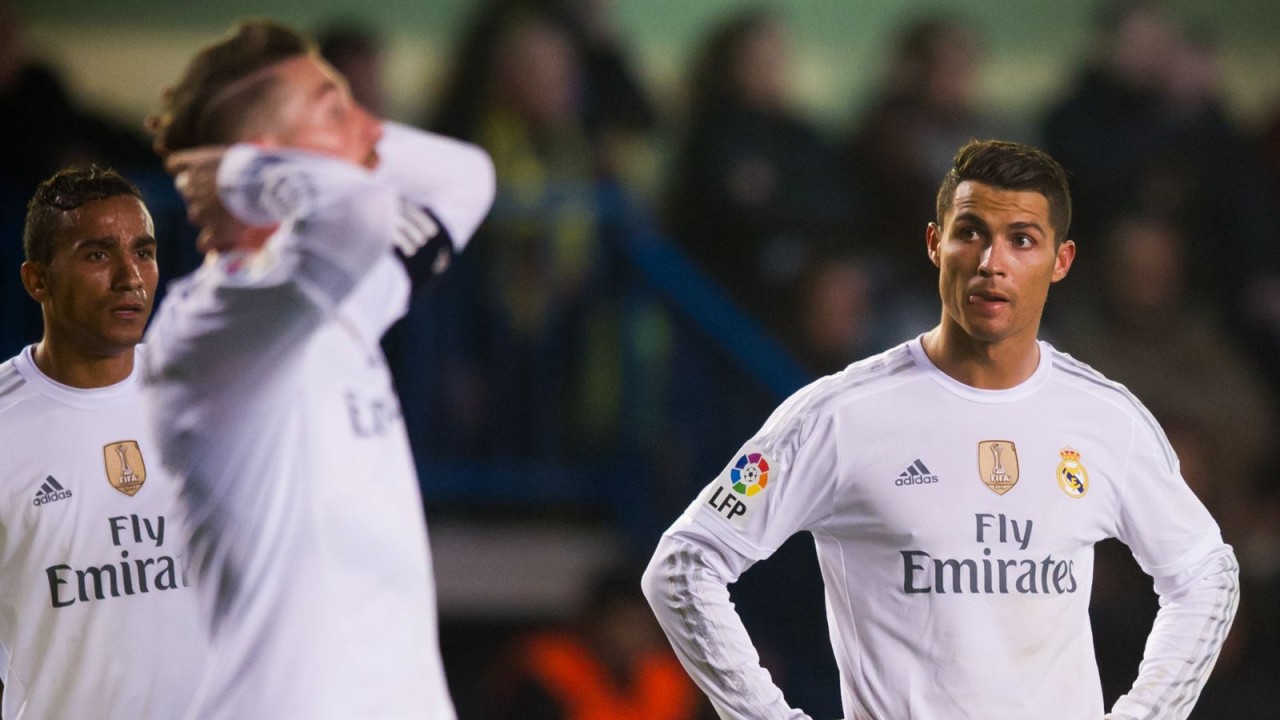
In practice, however, if someone on the team delivers a consistently, dramatically outstanding performance, it leads to numerous problems. Perhaps the most striking thing for the team is when a player who puts success above every other consideration - and who truly performs excellently - hinders the development of the rest of the team, which in turn leads to high turnover. Of course the goal has to be scored, but can one person really take the field against 11 others?
An owner or decision-maker who looks only at individual performance finds it very hard to part with a team member who racks up the goals.
Over more than twenty years of entrepreneurial career, I've had to experience great disappointments after the best player left the team. Because that's when it became obvious what our actual level of knowledge and performance really was.
The problem, in fact, was not caused by the shortcomings of the team members, but by the self-interested thinking of the leader and the best player.
If the proportions of knowledge, attitude, and performance within a team get out of balance and this state persists, it inevitably leads to distortion within the life of the company.
Excellent players don't come, because they're not given room to prove themselves. Whoever stays on the team doesn't want to prove anything, because it won't be noticed anyway, and their knowledge is limited too. All of this leads to a lack of development and a sense of achievement due to the dominance. Although successes seem to keep coming, a decline becomes unavoidable at a certain point.
I see the solution in this: the successful members of the team must help those who are less successful. And the less successful ones must want to develop.
And whoever wants to play football alone, even if they're really very good, has to be let go.